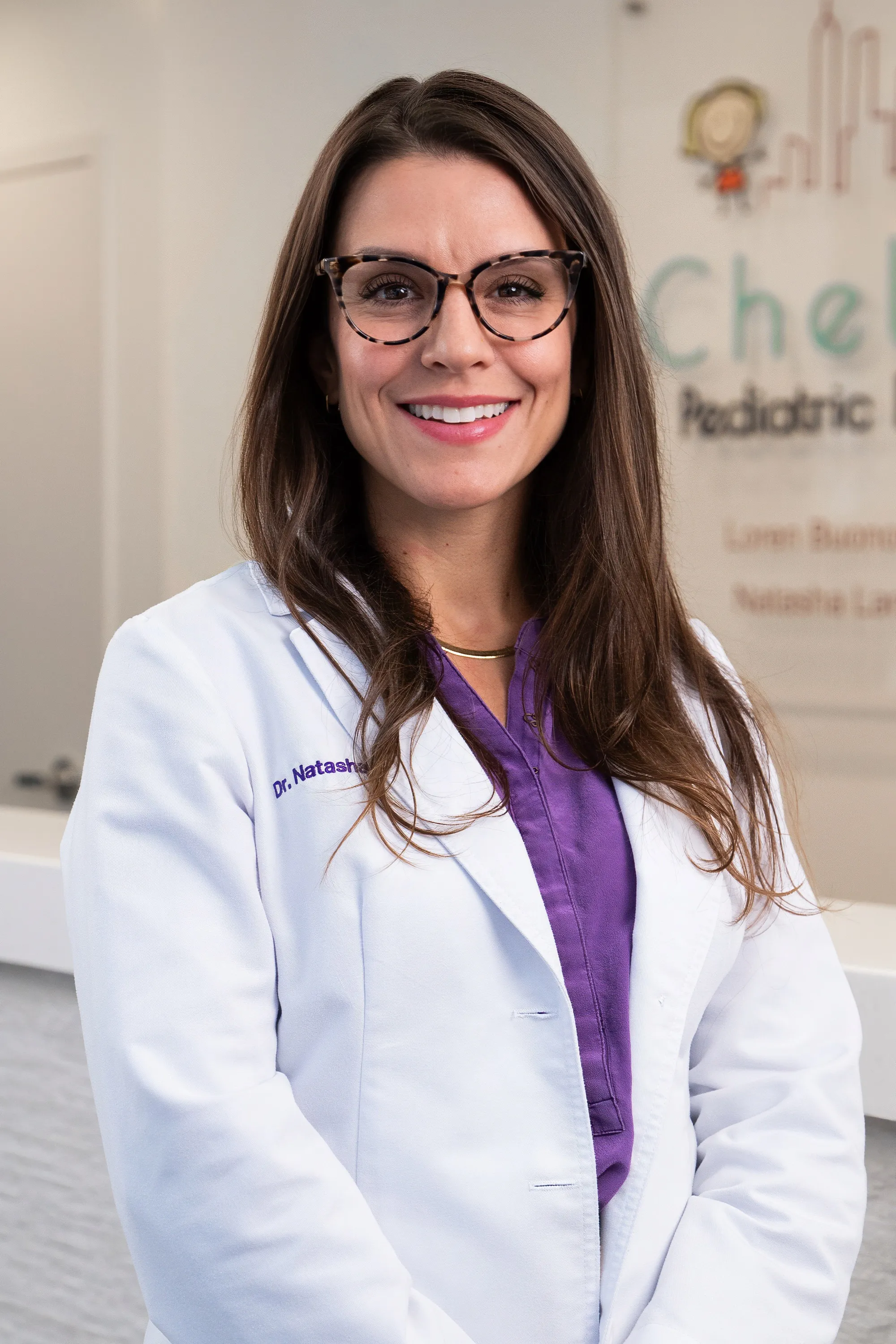
Dr. Natasha Larson
Co-founder and board certified pediatric dentist
Chelsea & Long Island City Board Certified Pediatric Dentists
Where ethics are our foundation, compassion is our calling, and every child is at the heart of what we do.
Co-founder and board certified pediatric dentist
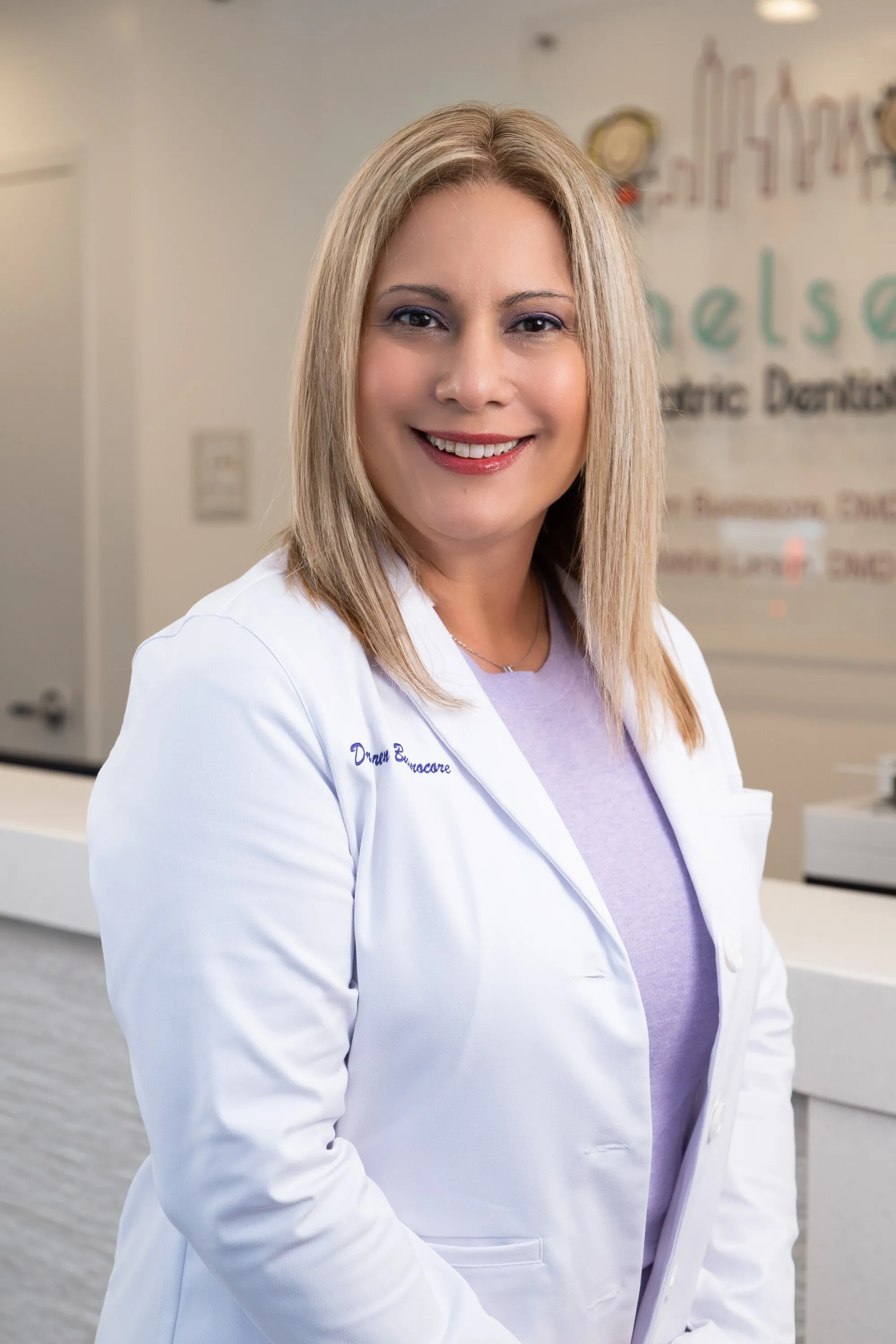
Co-founder and board certified pediatric dentist
“What is truly in this child's best interest?”
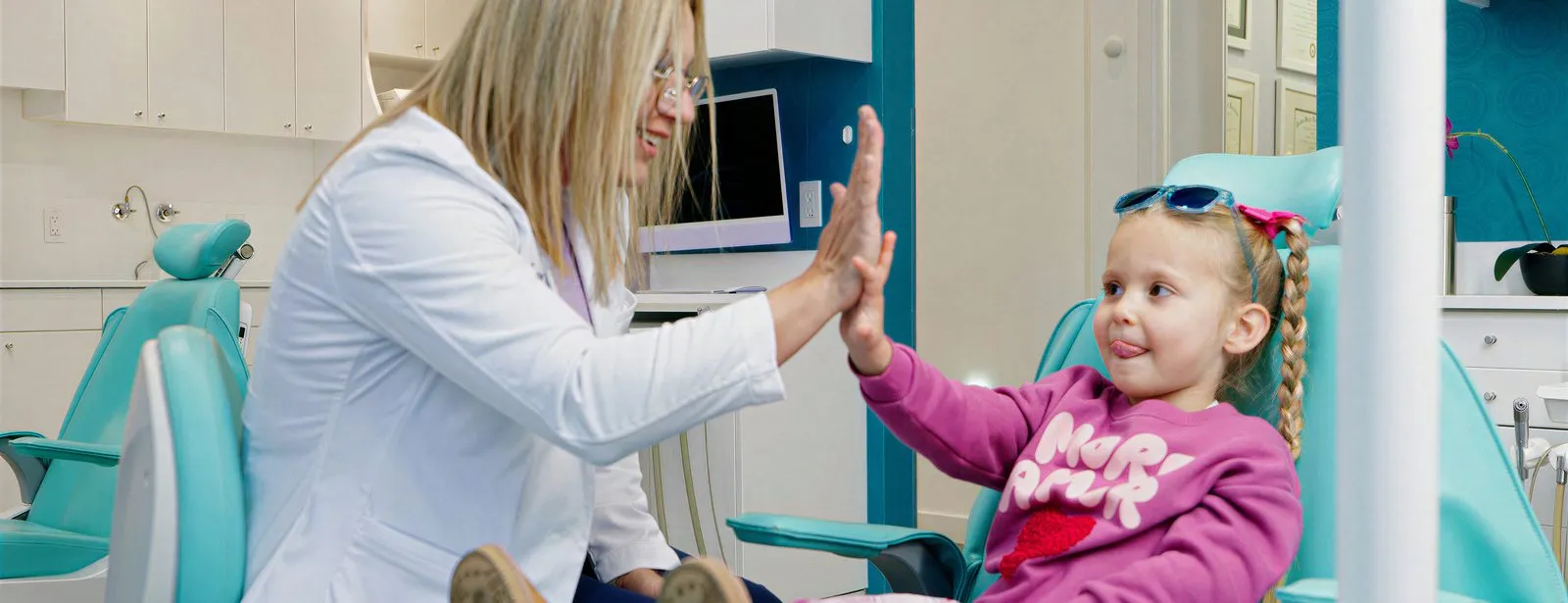
Every child deserves to feel safe, seen, and celebrated
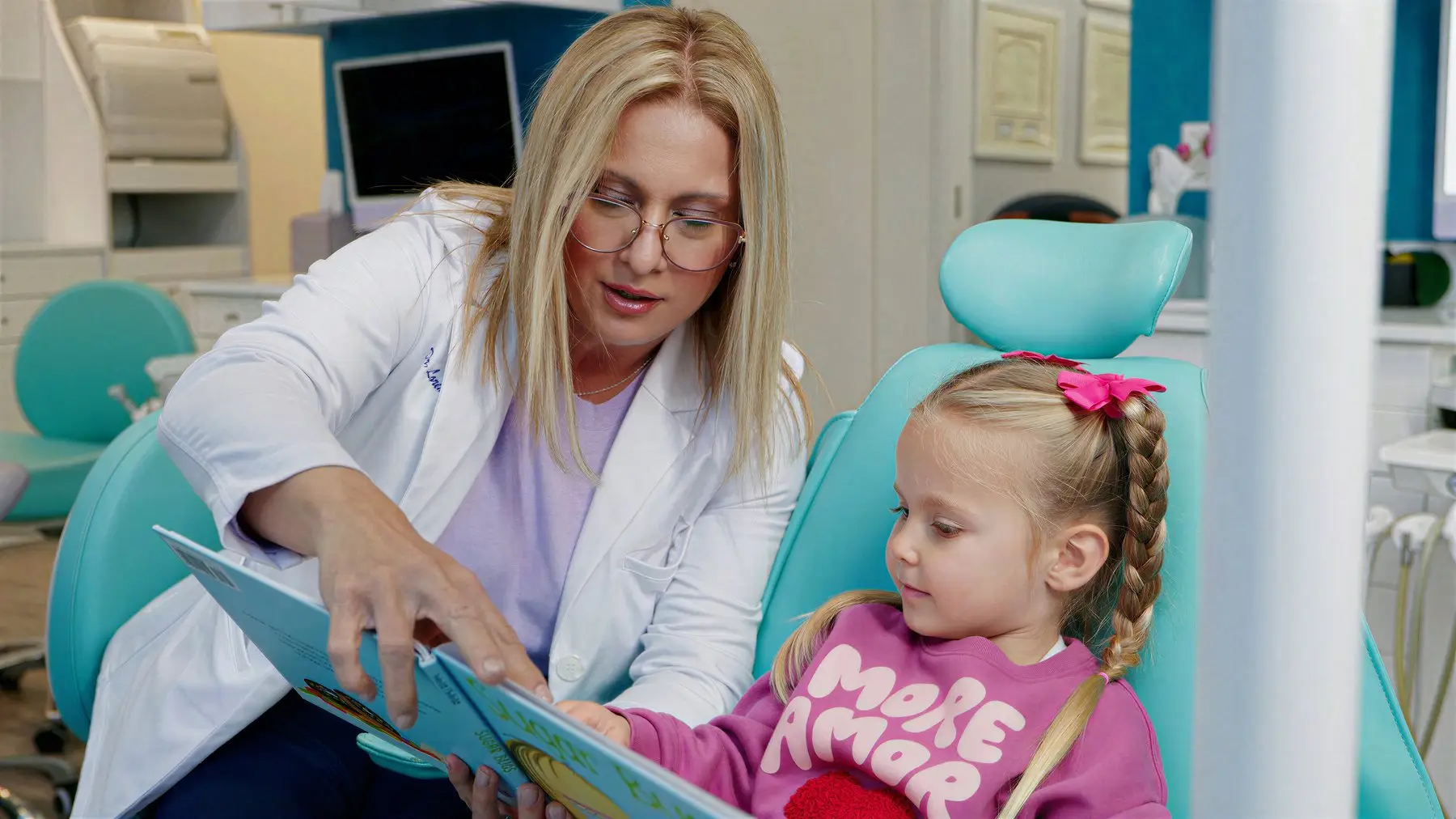
No two children walk into our office the same way.
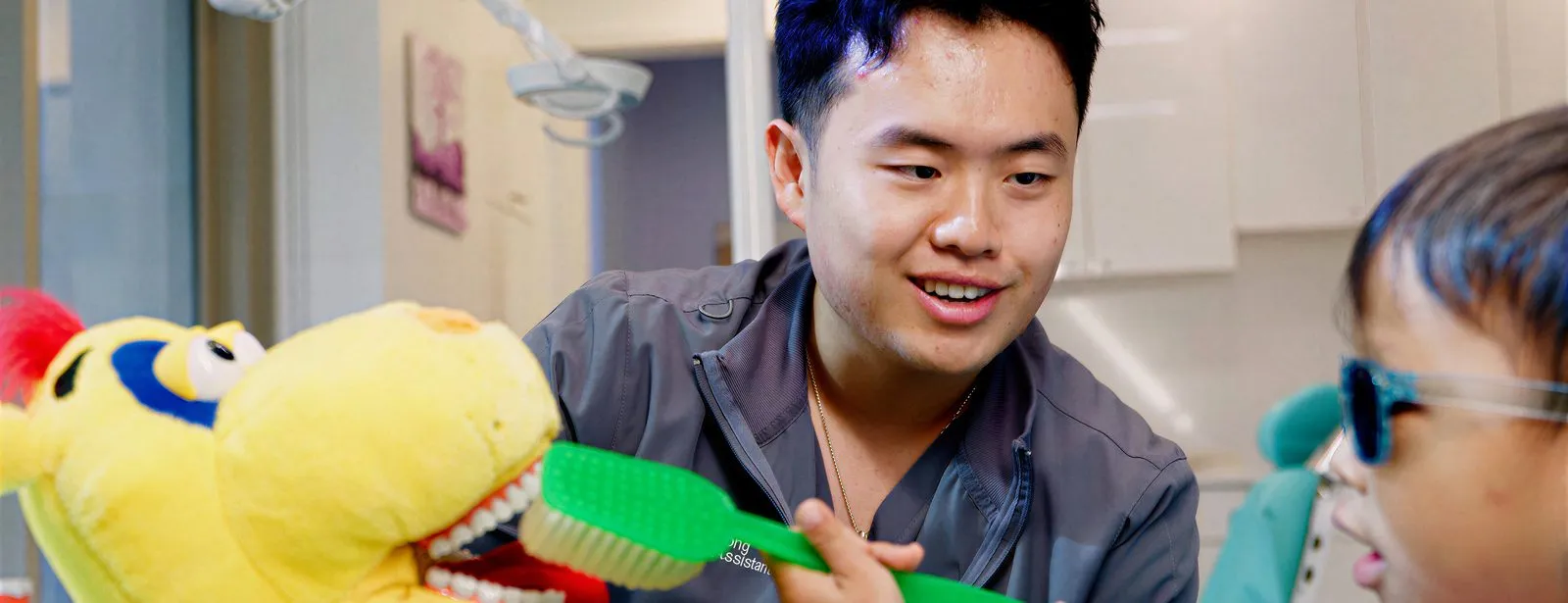
Because every child is wonderfully unique
We take time to understand your child's individual needs before recommending treatment.
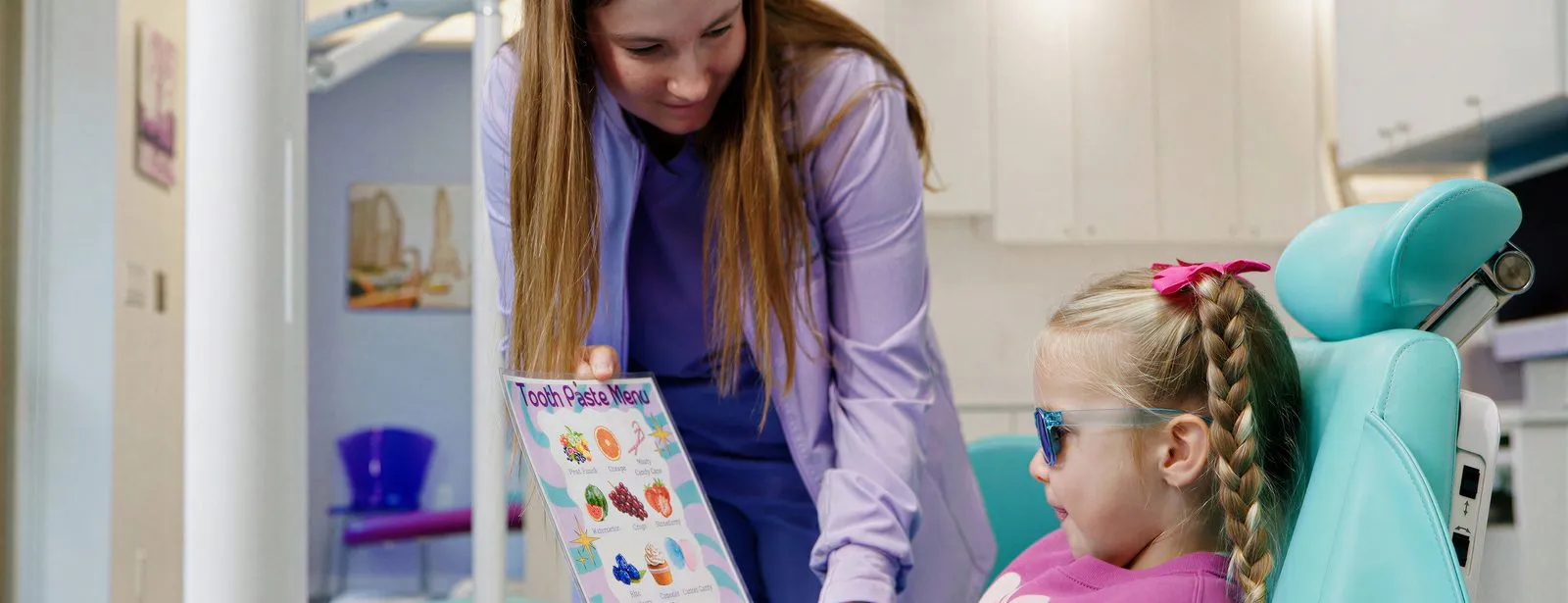
Helping healthy smiles last a lifetime
Our favorite dental treatment is the one your child never needs.
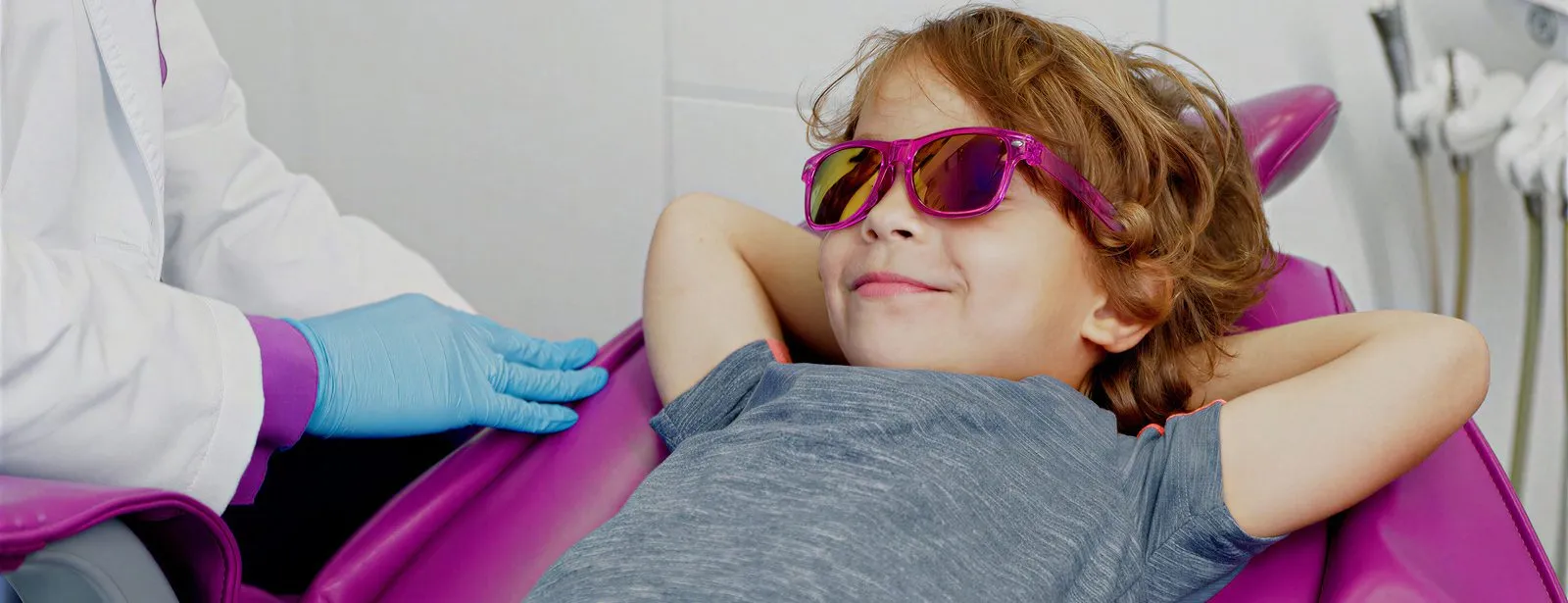
Looking beyond the teeth
A healthy smile is just one part of a healthy child.
Our mission is to provide exceptional pediatric dental care grounded in ethics, delivered with compassion, and centered around every child and family we serve.
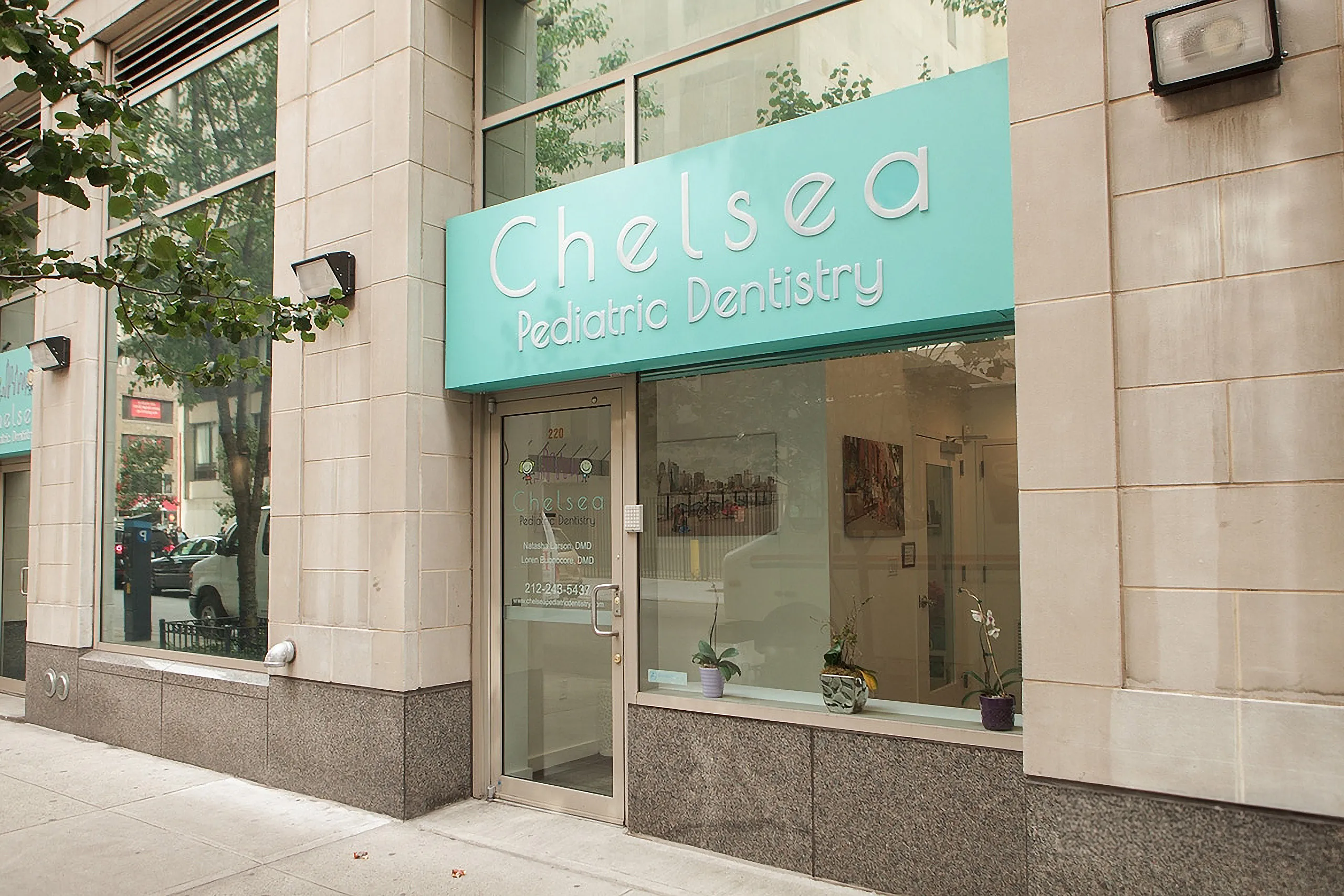
220 W 26th St
New York, NY 10001
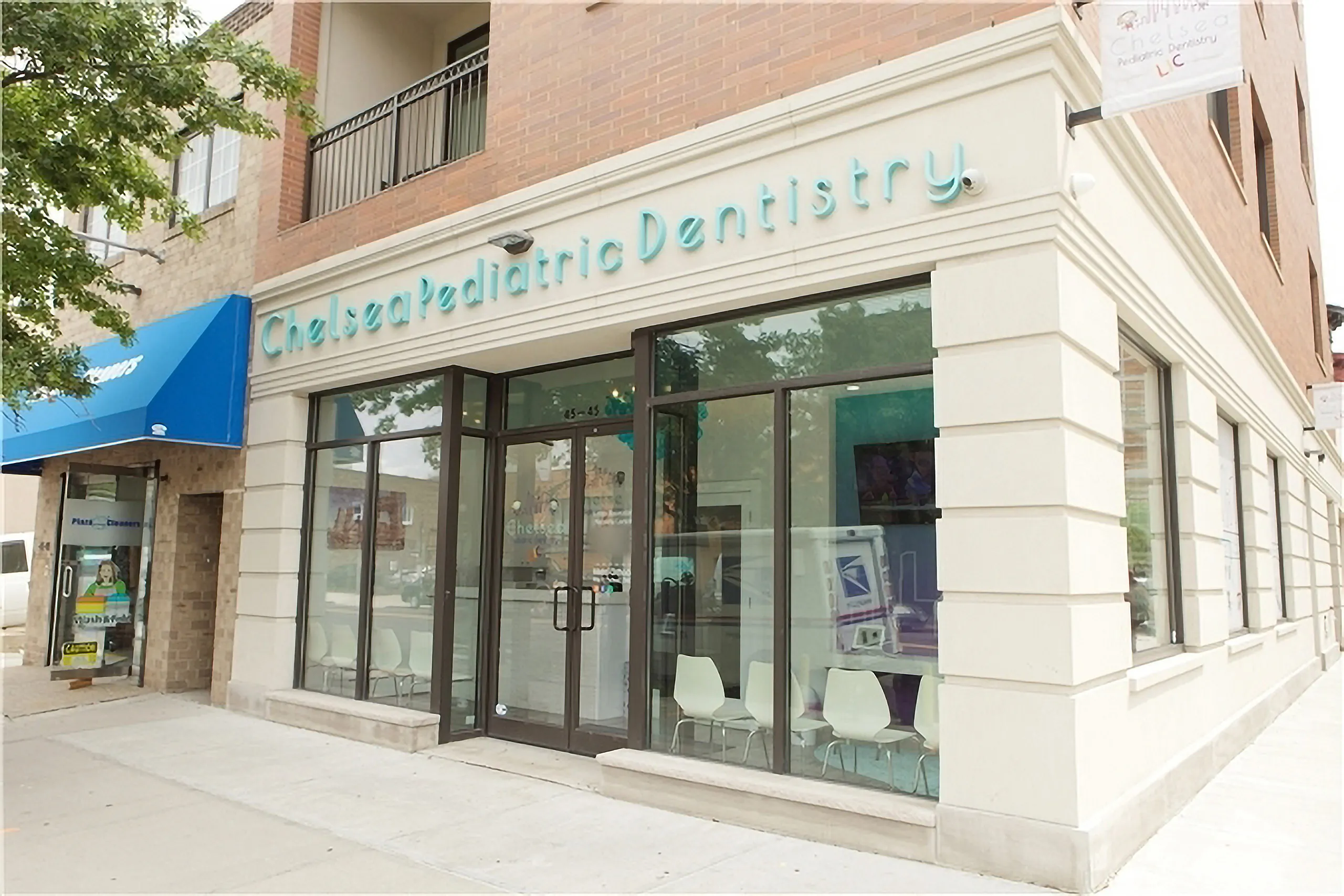
45-45 21st St
Long Island City, NY 11101
Everyone at the office is pleasant. The office is clean and runs smoothly. Dr Loren and Dr Natasha are so knowledgeable and kind. They take their time explaining things.
Dr. Buonocore is kind, caring and an excellent dentist. Her staff is professional, highly capable and friendly.
My kids had a good experience with doctors Buonocore and Larson—even when they had cavities that needed to be fixed. Warm staff and nice atmosphere.
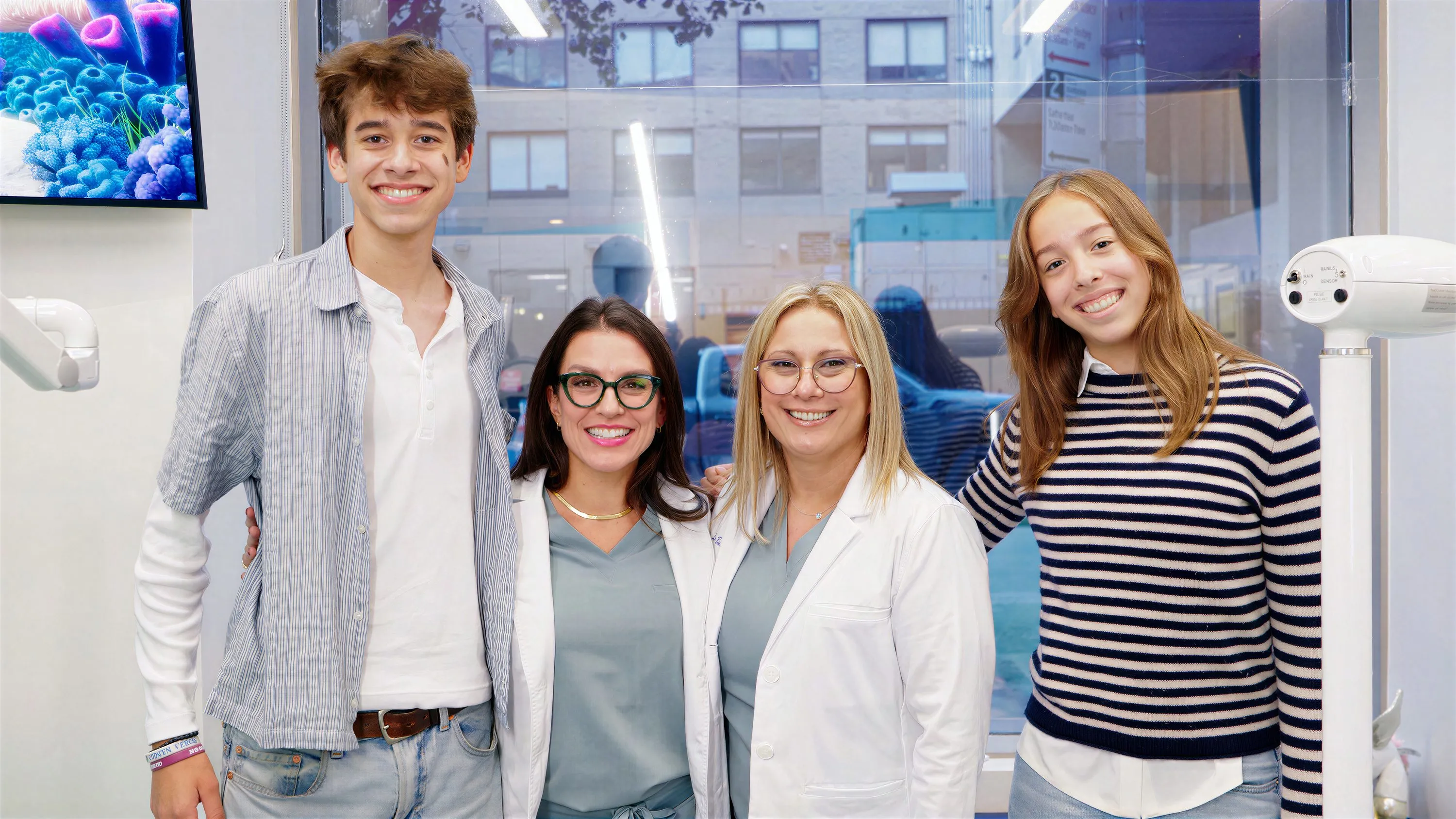
The American Academy of Pediatric Dentistry recommends that a child is seen within six months after his first tooth erupts or by one-year-old, whichever is first. We recommend that you schedule an appointment with a pediatric dentist around your child’s first birthday.
The best preparation for your child’s first visit to our office is maintaining a positive attitude. Children are extremely intuitive and pick up on adults’ apprehensions and anxiety. If you make negative comments about trips to the dentist you can be sure that your child will fear an unpleasant experience and act accordingly. Show your child the pictures of the office and doctor on the website. Tell your child about the importance of maintaining healthy teeth and gums. You may want to consider picking up one of the many wonderful children’s books dedicated to the topic of teeth and dentists. We are happy to offer suggestions. Most importantly, remember that your pediatric dentist is specially trained to handle fears and anxiety, and our staff is experienced at putting children at ease during treatment.
All dental specialists (pediatric dentists, orthodontists, oral surgeons, and others) begin by completing four years of dental school, then continue their education with several years of additional specialized training. During the two to three years of extra training required in the field of pediatric dentistry, your doctor gained extensive knowledge and experience in treating infants, children, and adolescents, including those with special healthcare needs. Pediatric dentists enjoy working with children, and bring to each patient our expertise in childhood development and behavior.
In order to prevent cavities and other dental problems, we generally recommend scheduling checkups every six months. Depending on the circumstances of your child’s oral health, we may recommend more frequent visits.
At about 6-8 months, the two lower front teeth (central incisors) will erupt, followed shortly by the two upper central incisors. The remainder of the baby teeth appears during the next 18 to 24 months. At 2 to 3 years, all 20 of the primary teeth should be present.
The first permanent teeth begin to erupt at about age five to six and include molars behind the back baby teeth along with lower central incisors. Some permanent teeth replace baby teeth and some don’t. This process will continue until approximately age fourteen.
The pace and order of their eruption may vary, so don’t be alarmed if some teeth are a few months early or late. All children have unique eruption patterns.
Some early cavities in kids can be managed without a drill. See how fluoride varnish, SDF, Curodont and ICON work, and when fillings help.
Not every tongue or lip tie needs treatment. See how a function-first tongue-tie evaluation works and what research does and does not show.
Snoring, mouth breathing and grinding can be worth a closer look. See what an airway-focused dental exam checks and what research shows.