Pediatric Dentistry No-Drill Cavity Treatment for Children
A Conservative, Prevention-First Approach to Pediatric Dentistry
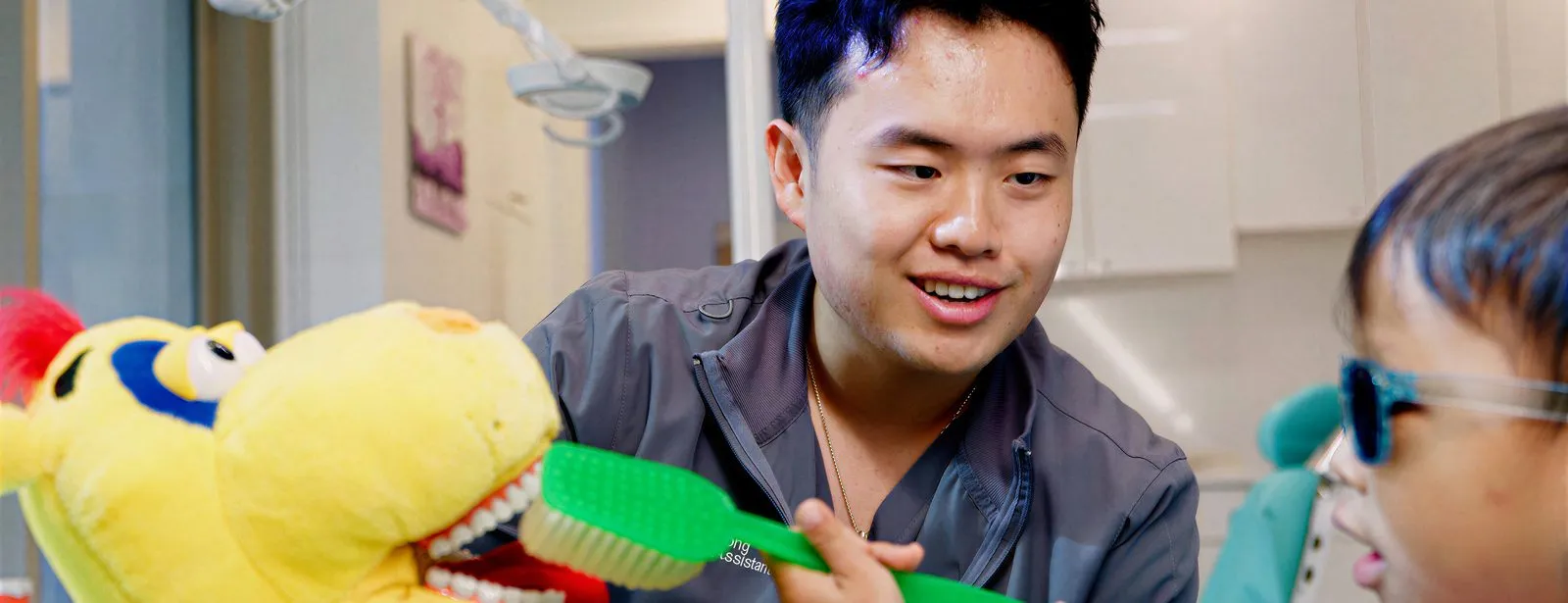

At Chelsea Pediatric Dentistry, our philosophy is simple: the best dental treatment is the one your child never needs.
When cavities are caught early, treatment doesn’t always have to involve a drill. Thanks to advances in pediatric dentistry, many early areas of tooth decay can be managed with minimally invasive techniques that strengthen enamel, slow or stop the progression of decay, and help preserve healthy tooth structure.
Our goal is always to choose the most conservative treatment that is safe, effective, and in your child’s best interest.
Every child is different, and not every cavity can be treated without a filling. However, when appropriate, we believe in giving teeth the opportunity to heal and remineralize before considering more invasive treatment.

What Is Conservative Pediatric Dentistry?
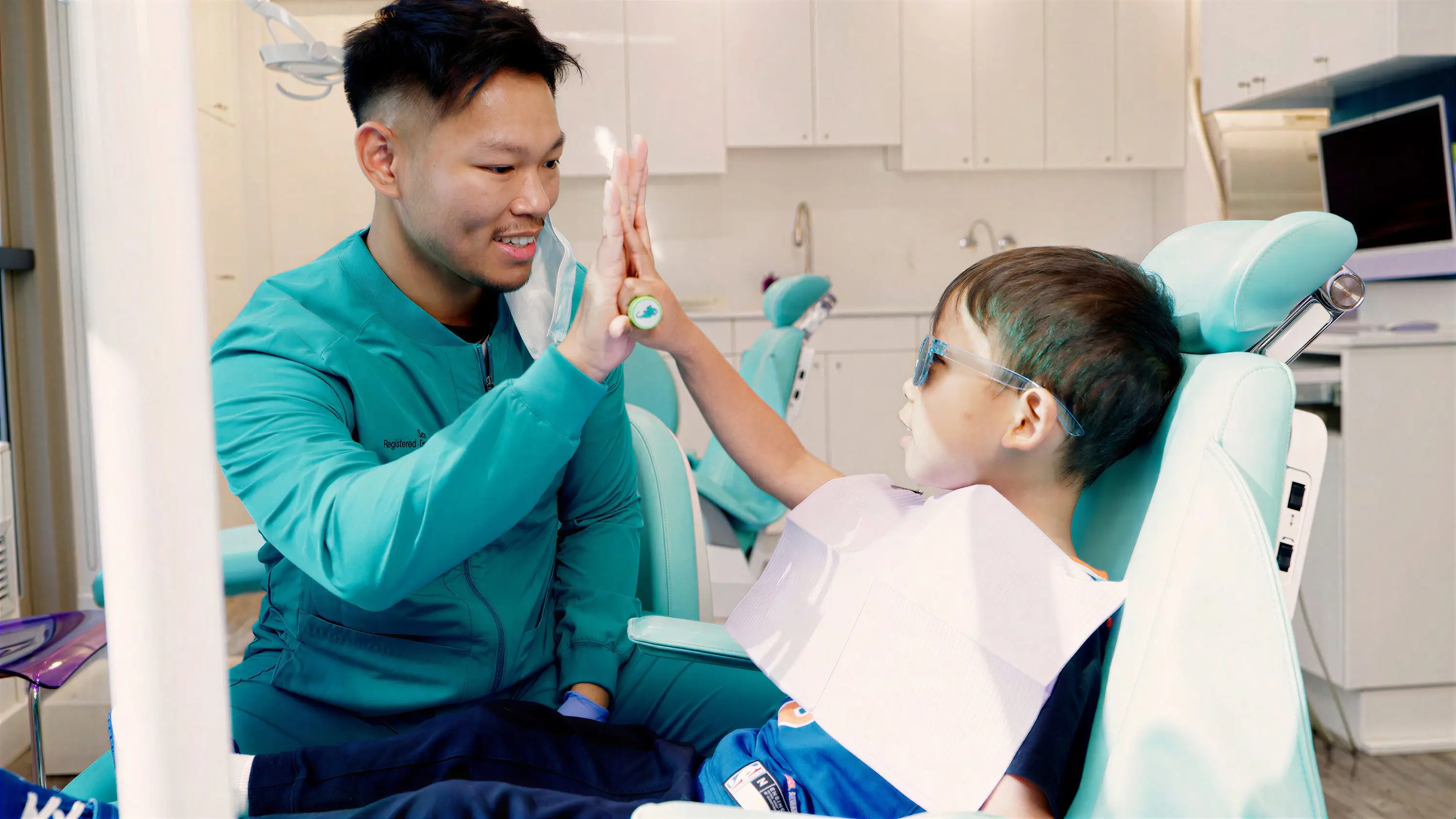
Conservative pediatric dentistry focuses on preventing disease, preserving healthy tooth structure, and treating dental problems as early as possible.
Instead of asking, ”How do we fix this cavity?” we first ask:
”Why did this cavity develop, and how can we prevent it from getting worse?”
By identifying the underlying causes of tooth decay, we can often help children avoid more extensive treatment in the future.
Our conservative approach may include:
- Personalized dietary counseling
- Oral hygiene coaching
- Fluoride varnish treatments
- MI Paste® remineralization therapy
- Silver Diamine Fluoride (SDF)
- Curodont® enamel regeneration therapy
- ICON® resin infiltration
- Regular monitoring and follow-up examinations
Every treatment plan is individualized based on your child’s age, cavity risk, level of cooperation, and the stage of tooth decay.
Nutrition: The Foundation of a Healthy Smile
Tooth decay is influenced by more than brushing alone.
Frequent exposure to sugary foods and drinks, sticky snacks, prolonged sipping, and frequent snacking can create an environment where cavity-causing bacteria thrive.
Rather than simply asking families to “eat less sugar,” we take time to understand your child’s eating habits and provide realistic, practical recommendations that fit your family’s lifestyle.
Small changes—such as reducing grazing between meals, choosing tooth-friendly snacks, drinking more water, and limiting sugary beverages—can have a tremendous impact on your child’s oral health.
We believe education empowers families to make healthy choices, not perfect ones.
Building Healthy Brushing Habits
Excellent home care is one of the most powerful tools for preventing cavities.
We’ll work with you and your child to develop age-appropriate brushing and flossing routines that are realistic, effective, and easy to maintain.
Every visit includes personalized guidance on:
- Proper brushing techniques
- Flossing when teeth begin touching
- Choosing the right toothbrush and toothpaste
- Fluoride recommendations
- Home care based on your child’s cavity risk
Healthy habits developed during childhood often last a lifetime.
Minimally Invasive Treatment Options
Fluoride Varnish
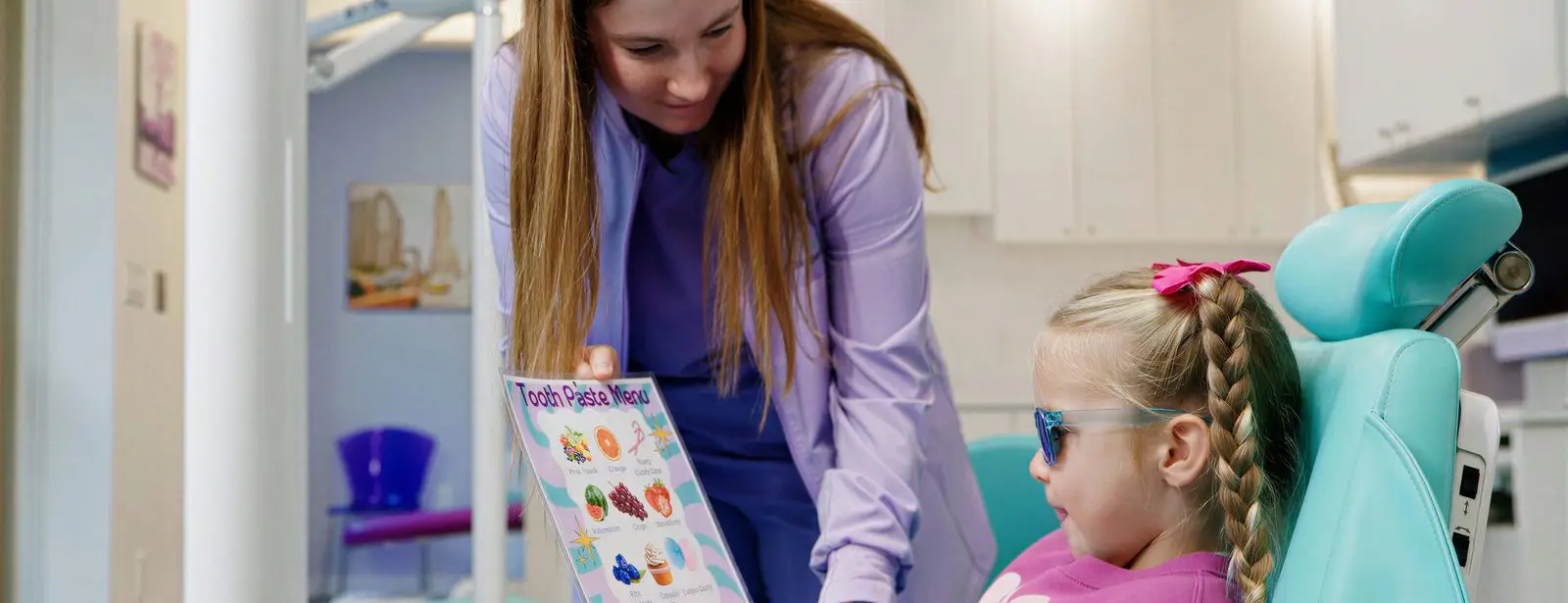
Fluoride varnish is one of the safest and most effective ways to strengthen tooth enamel and reduce the risk of cavities.
Applied in just a few seconds during a routine dental visit, fluoride varnish helps remineralize weakened enamel, making teeth more resistant to acid attacks from cavity-causing bacteria.
It is especially beneficial for children at increased risk of tooth decay.
MI Paste®: Supporting Enamel Repair
MI Paste® contains calcium and phosphate, minerals that are naturally found in healthy teeth.
When recommended, MI Paste may help support enamel remineralization and reduce sensitivity by providing minerals to the tooth surface.
It is often used as part of a comprehensive preventive program for children with early enamel changes or an increased risk of cavities.
Because MI Paste contains milk-derived proteins, it is not appropriate for children with certain milk protein allergies.
Silver Diamine Fluoride (SDF)
Silver Diamine Fluoride (SDF) is a minimally invasive treatment used to help arrest active tooth decay in selected situations.
SDF works by helping stop cavity-causing bacteria and harden softened tooth structure.
It can be an excellent option for:
- Very young children
- Children with early childhood cavities
- Children who are anxious or unable to tolerate traditional treatment
- Patients with special healthcare needs
- Situations where delaying restorative treatment is appropriate
One important consideration is that SDF permanently darkens the decayed portion of the tooth. We’ll discuss the benefits and limitations with you to determine whether it’s the right option for your child.
Curodont®: Encouraging Enamel Remineralization
Curodont® is an exciting advancement in minimally invasive dentistry designed to treat certain non-cavitated early enamel lesions, sometimes called “incipient” or “white spot” lesions.
Rather than restoring the tooth with a filling, Curodont works by creating an environment that supports the natural remineralization process within the enamel.
When used in carefully selected cases and combined with excellent oral hygiene, dietary improvements, and regular professional monitoring, Curodont may help slow or reverse the progression of early decay before a cavity forms.
Not every lesion is a candidate for Curodont, and a thorough examination is necessary to determine whether this treatment is appropriate.
ICON® Resin Infiltration
Some early cavities and white spot lesions can be treated using ICON®, a minimally invasive resin infiltration technique.
ICON penetrates porous enamel and helps stabilize selected early lesions without removing healthy tooth structure.
It may also improve the appearance of white spot lesions caused by early enamel demineralization or following orthodontic treatment.
Because no drilling is required in many cases, ICON can be an excellent option for carefully selected patients.


Prevention First. Treatment Only When Necessary.
Our goal is never to delay treatment that your child truly needs.
If a cavity has progressed beyond the point where remineralization is predictable, we will recommend the most conservative restorative treatment available to preserve the tooth and prevent further damage.
At Chelsea Pediatric Dentistry, conservative dentistry means choosing the right treatment at the right time—not simply the least treatment.
By combining careful monitoring, preventive care, minimally invasive technologies, and evidence-based decision-making, we strive to preserve healthy tooth structure whenever possible while providing every child with the highest standard of care.
Conservative Care Rooted in Ethics
At Chelsea Pediatric Dentistry, we believe every child deserves thoughtful, individualized care—not one-size-fits-all treatment.
Whenever possible, we preserve healthy tooth structure, emphasize prevention, and partner with families to help children maintain healthy smiles for life.
Because sometimes the best treatment is not a filling—it’s catching a problem early enough that your child’s natural tooth can stay healthy, strong, and beautifully intact.

Frequently Asked Questions
Can every cavity be treated without a filling?
No. Once a cavity has progressed and created a true hole in the tooth, remineralization alone is generally not enough. Early diagnosis gives us the greatest opportunity to use conservative treatment.
Is Curodont a replacement for fillings?
No. Curodont is intended for carefully selected early enamel lesions before a cavity has fully developed. Your pediatric dentist will determine whether your child’s tooth is an appropriate candidate.
Is Silver Diamine Fluoride safe?
Yes. When used appropriately by dental professionals, SDF has been shown to be a safe and effective method for arresting tooth decay. One important consideration is that it permanently stains the decayed area black.
How can I help prevent cavities at home?
The most effective prevention combines healthy nutrition, limiting frequent sugar exposure, twice-daily brushing with fluoride toothpaste, flossing when appropriate, regular dental visits, and individualized preventive care based on your child’s cavity risk.